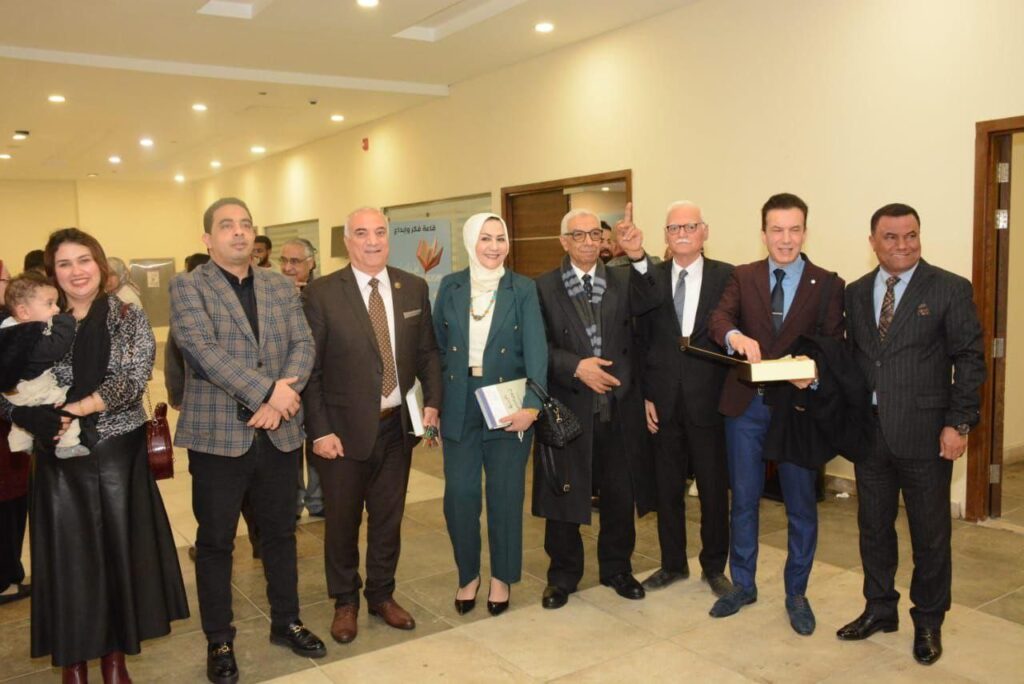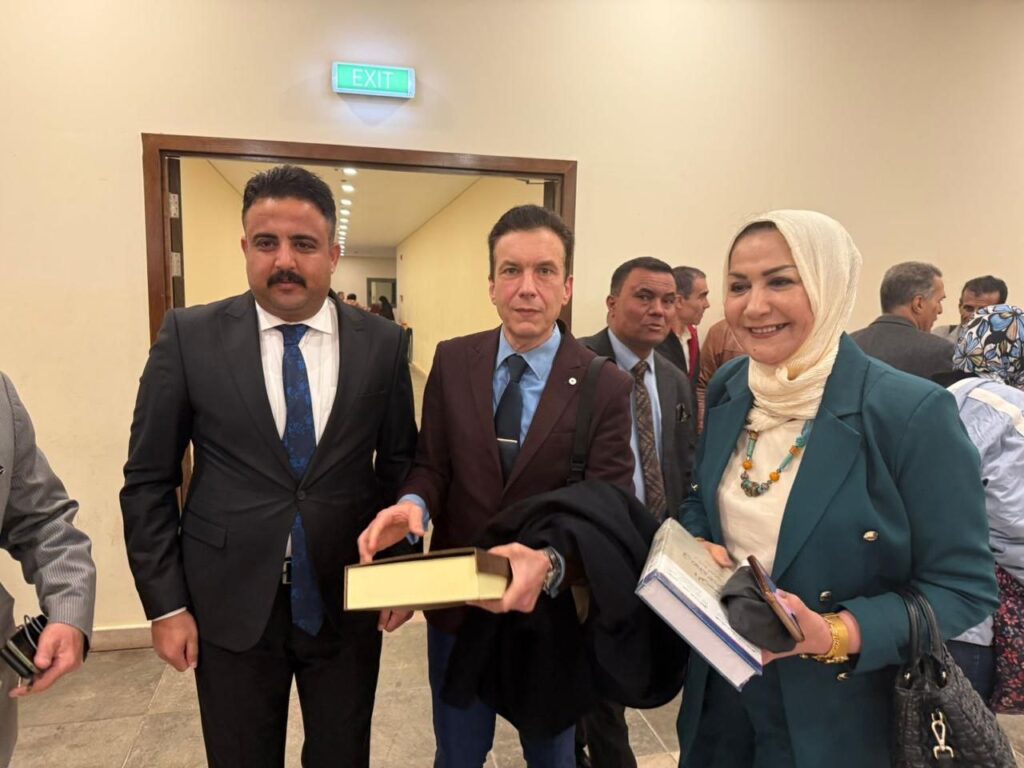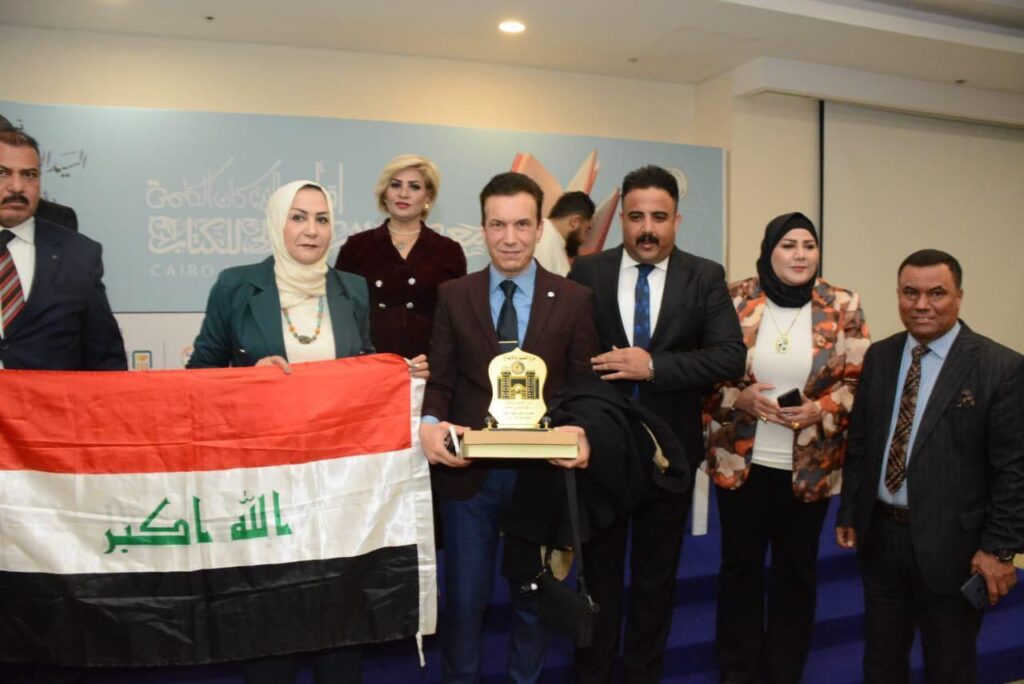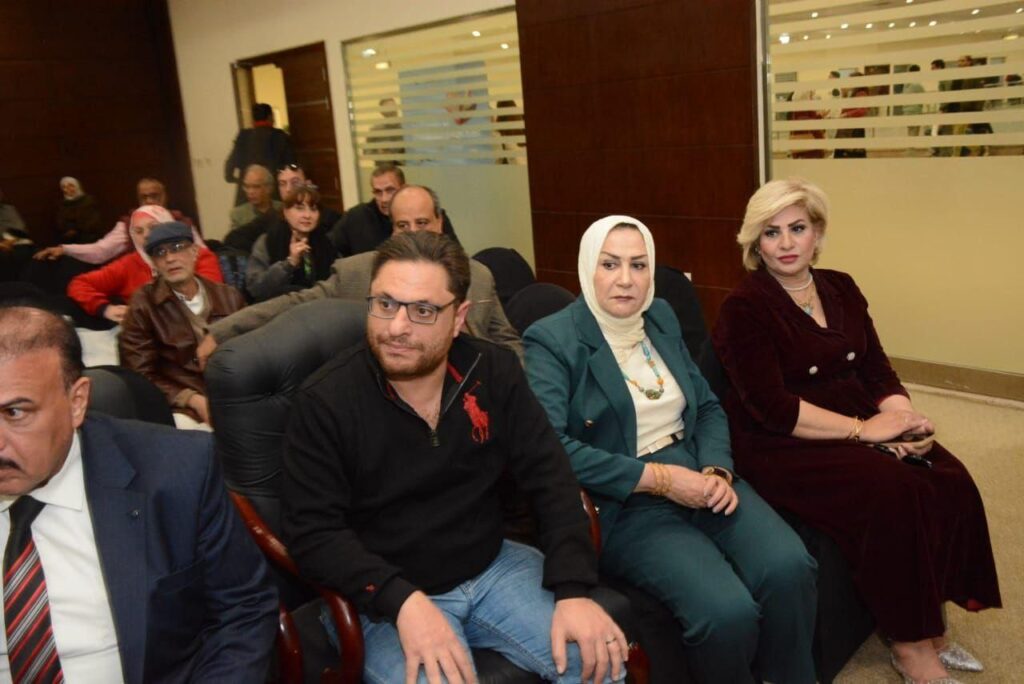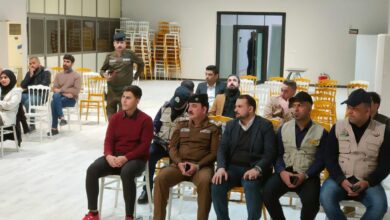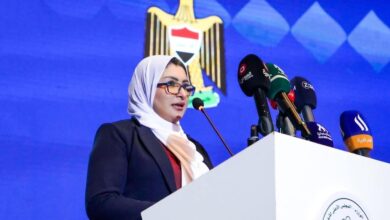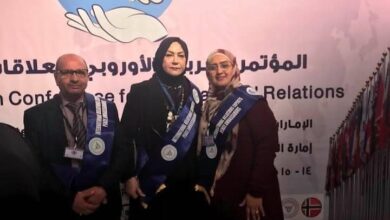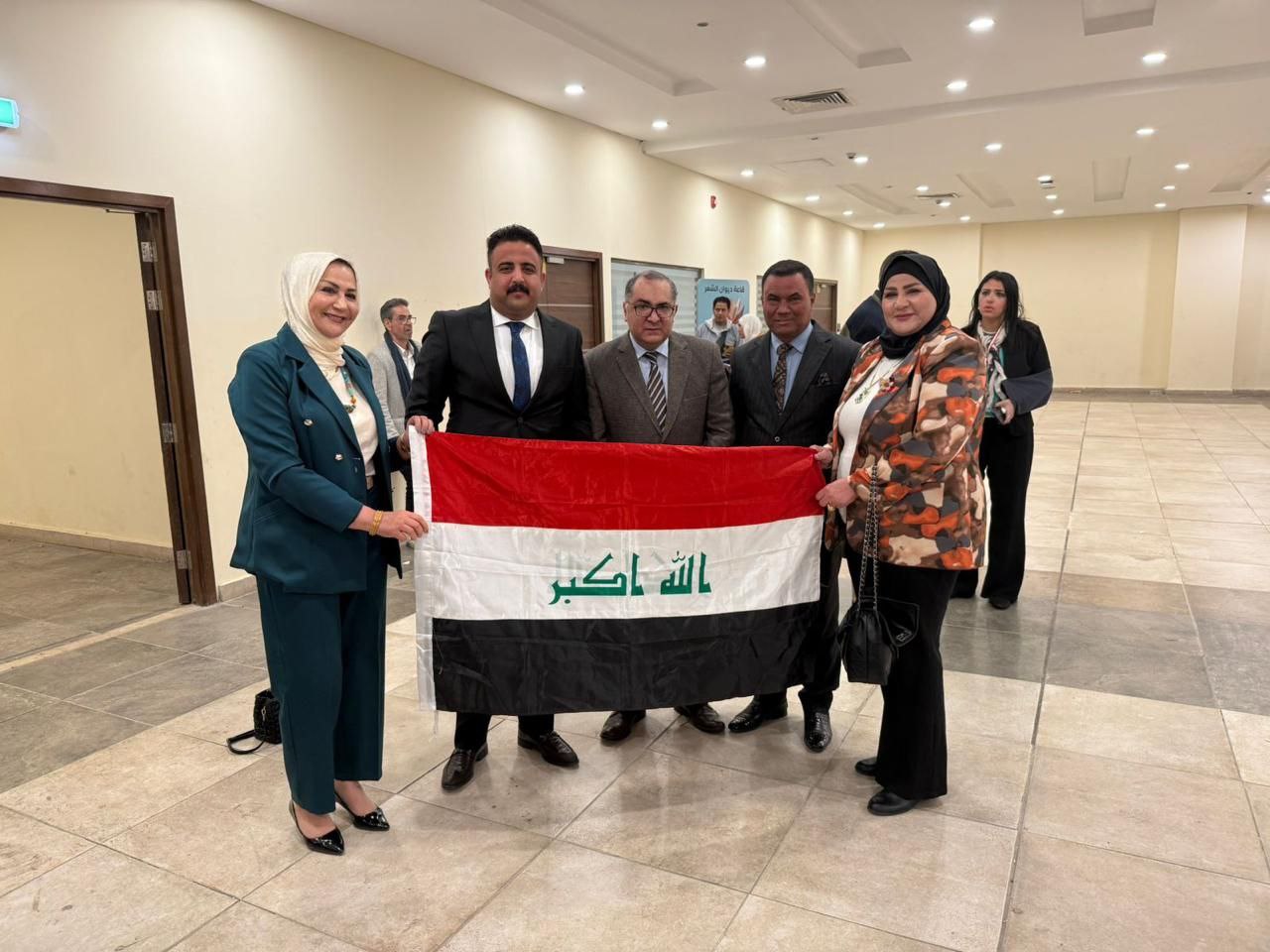
“شارك وفد من العراق ندوه في مكافحة الجرائم السيبرانية” /مركز تمكين الدولي للتدريب والتطوير والتنميه البشريه/العراق بابل برئاسه الدكتوره سهامه القيسي مسؤل مركز تمكين والامين العام للمركز الدكتور عبير الجلبي والوفد المرافق لهم
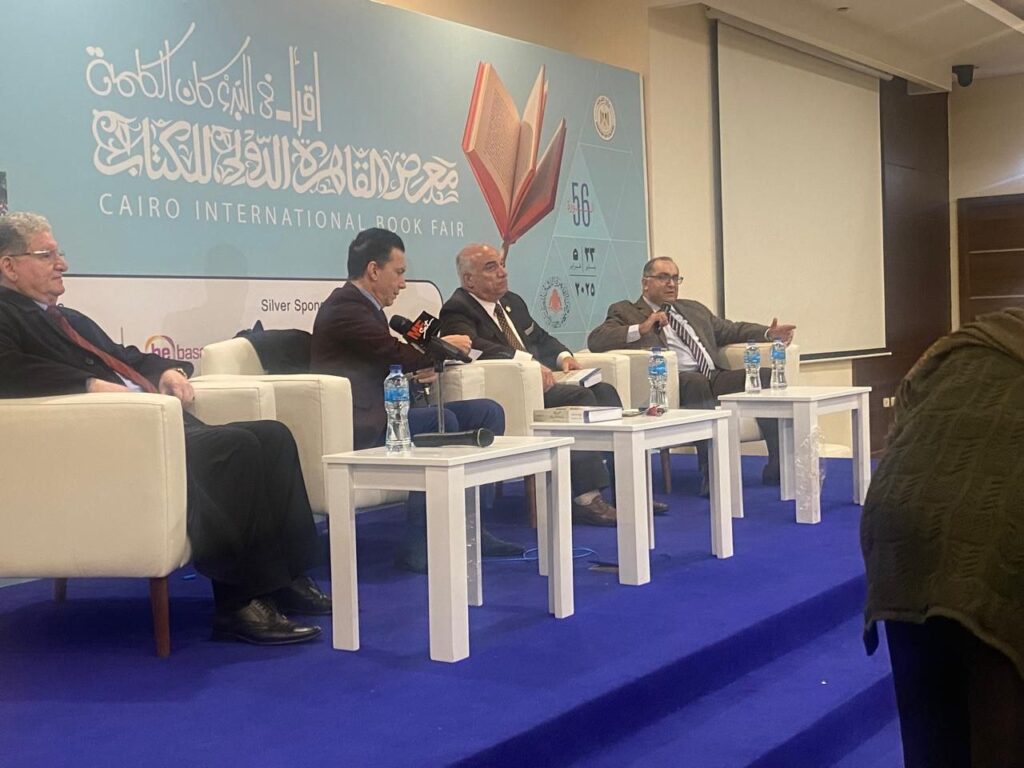
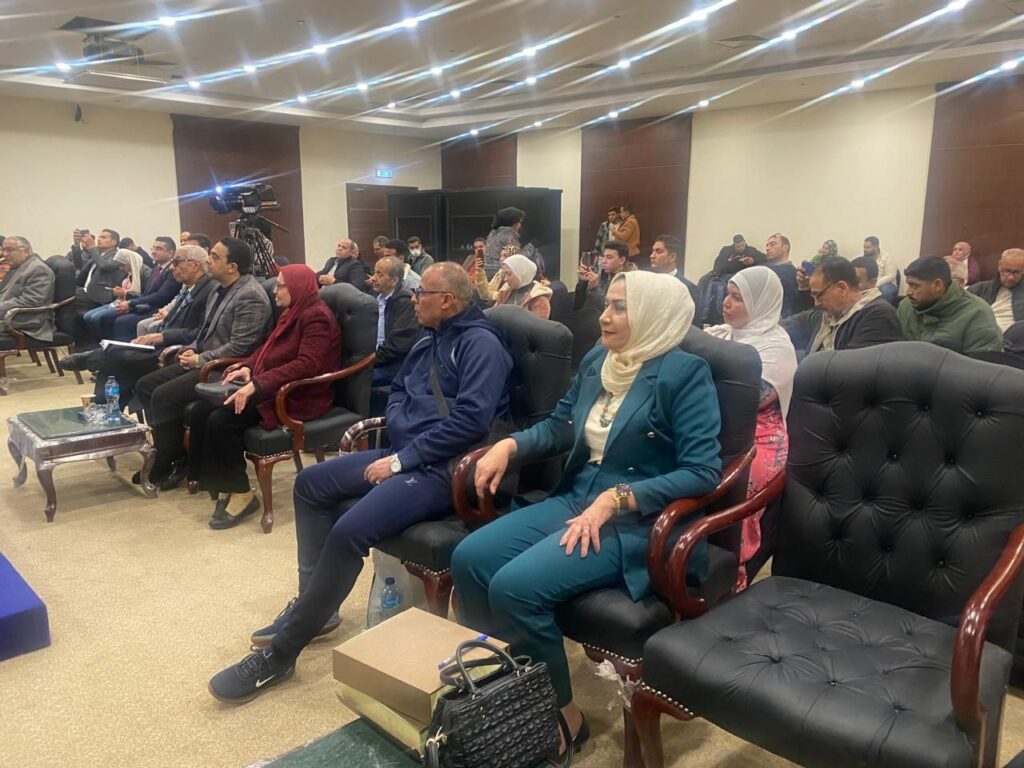
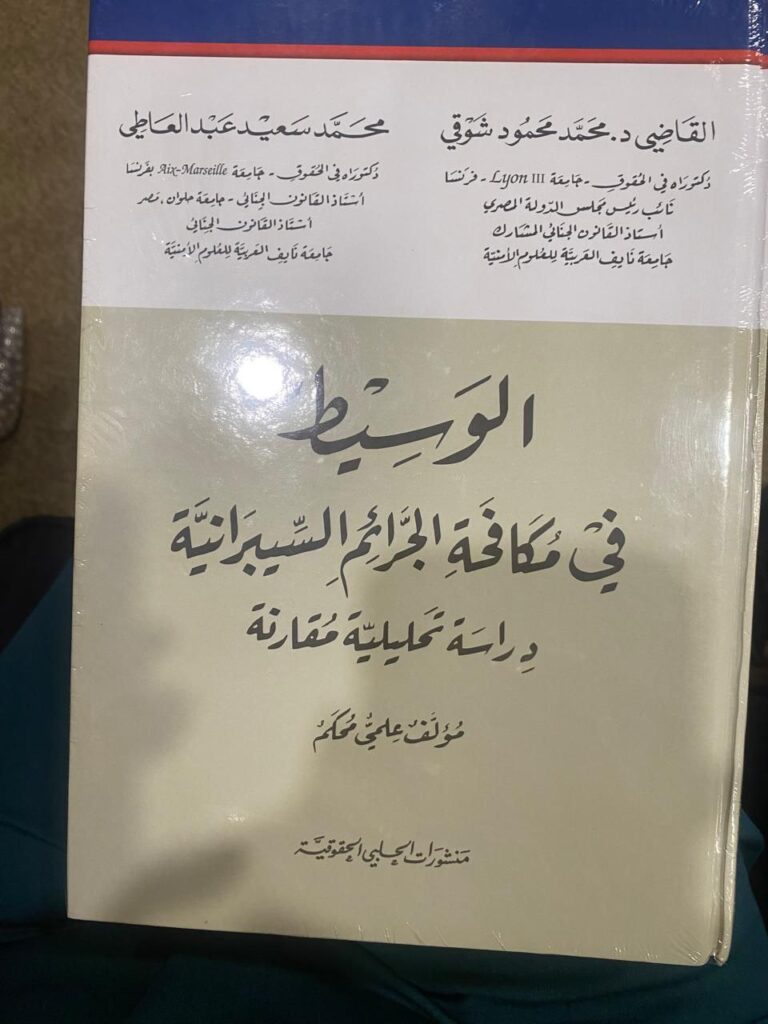
استضافت قاعة “فكر وإبداع” ببلازا 1 في إطار فعاليات معرض القاهرة الدولي للكتاب بدورته السادسة والخمسين، ندوة مناقشة دراسة تحليلية مقارنة بعنوان “الوسيط في مكافحة الجرائم السيبرانية”، للدكتور محمد سعيد عبد العاطي والدكتور محمد محمود شوقي، والصادرة عن منشورات الحلبي الحقوقية.
شهدت الندوة مشاركة كل من الدكتور جميل عبد الباقي الصغير، والدكتور عبد الله الشيخ، وأدارها الدكتور عمرو محمد شكري القبطان.
في بداية الندوة، رحب الدكتور عمرو القبطان بالضيوف الحاضرين، مؤكدا على أهمية الموضوع قائلًا: “سعداء بهذه الندوة التي ستتناول موضوعًا في غاية الأهمية، آملاً أن نتمكن من الوصول إلى حلول تتعلق بالجرائم السيبرانية، وكيفية إيجاد إطار قانوني متكامل لمكافحتها، خاصة وأن هذا الكتاب سيكون له تأثير كبير في تعديل القوانين خلال الفترة المقبلة.
من جانبه، بدأ الدكتور جميل عبد الباقي الصغير حديثه بتناول قواعد الإسناد الجنائي للجرائم السيبرانية، موضحًا:
“حينما درست في فرنسا في ديسمبر 1990، أثار القانون الجنائي مسألة السرقة وتعريفها بأنها اختلاس شيء مادي، ولكن مع التطور التكنولوجي، ظهرت الجرائم السيبرانية واكتسبت أساليب جديدة ومتطورة، فنحن الآن أمام نوعين من الجرائم؛ التقليدية والجديدة التي تواكب التطور التكنولوجي”.
وأشار إلى أهمية قانون 151 لسنة 2020 واللائحة التنفيذية له التي تناولت محاولات عديدة لمواكبة التطور السريع في مجال الجرائم السيبرانية.
أما الدكتور عبد الله الشيخ، فقد تحدث عن موقفين مهمين؛ الأول يتعلق بالموقف البرلماني، حيث أشار إلى أن قانون 151 لعام 2020 الذي يصدر عن البرلمان، ولكنه يحتاج إلى تحديث مستمر نتيجة التطور السريع في هذا المجال، مؤكدا أن هذا التطور السريع هو السبب الرئيسي في تأخير صدور هذا القانون حتى الآن، كما أشار إلى أهمية التنسيق بين الجهات الحكومية المختلفة في مواجهة الجرائم السيبرانية.
وفيما يخص الموقف الأمني، أشار الدكتور عبد الله إلى الجهود التي تبذلها وزارة الداخلية لمواجهة الجرائم السيبرانية، حيث أنشأت إدارات خاصة لاستقبال البلاغات المتعلقة بالجرائم الإلكترونية، وركزت على تدريب الخبراء لتوفير حلول قانونية تواكب المستجدات.
الدكتور محمد محمود شوقي تحدث عن تطور الجرائم السيبرانية، حيث قال:
في بداية السبعينيات ظهرت الجرائم السيبرانية، وتطورت تدريجيًا حتى أصبحت متاحة عبر شبكة الإنترنت، من Web 1 إلى Web 4، وهو ما جعل هذه التكنولوجيا أكثر تعقيدًا وصعوبة في التعامل معها،
وأضاف شوقي أن شبكة الإنترنت تتكون من ثلاث طبقات، حيث تشكل الطبقة الظاهرة 4% فقط من الإنترنت، بينما يشكل الإنترنت المظلم (Dark Web) 96% من الشبكة ويعد عالمًا موازياً يعج بالأنشطة الإجرامية، كما أكد أن هذا التحدي يفرض علينا تكثيف جهود حماية الأنظمة الرقمية، وتعزيز الوعي بأهمية الأمان السيبراني للحفاظ على الأفراد والمؤسسات.
وفي ختام حديثه، شدد الدكتور شوقي على أن دراسته تهدف إلى وضع استراتيجية شاملة لمكافحة الجرائم السيبرانية على المستويين العربي والدولي، تتضمن حلولًا قابلة للتطبيق على كافة المستويات، لحماية المجتمع
“A delegation from Iraq participated in a seminar on combating cybercrimes” / Tamkeen International Center for Training, Development and Human Development / Iraq, Babylon, headed by Dr. Suhama Al-Qaisi, the official of Tamkeen Center, and the Secretary-General of the Center, Dr. Abeer Al-Jalabi, and the accompanying delegation.
The “Think and Creativity” Hall in Plaza 1 hosted, within the framework of the activities of the 56th Cairo International Book Fair, a seminar to discuss a comparative analytical study entitled “The Mediator in Combating Cybercrimes”, by Dr. Muhammad Saeed Abdel-Ati and Dr. Muhammad Mahmoud Shawqi, published by Al-Halabi Legal Publications.
The seminar witnessed the participation of Dr. Jamil Abdel-Baqi Al-Sagheer, and Dr. Abdullah Al-Sheikh, and was moderated by Dr. Amr Muhammad Shukry Al-Qabtan.
At the beginning of the symposium, Dr. Amr Al-Qabtan welcomed the guests, stressing the importance of the topic, saying: “We are happy with this symposium, which will address a very important topic, hoping that we will be able to reach solutions related to cybercrimes, and how to find an integrated legal framework to combat them, especially since this book will have a major impact on amending lawsduring the coming period.
For his part, Dr. Gamil Abdel-Baqi Al-Sagheer began his speech by discussing the rules of criminal attribution of cybercrimes, explaining:
“When I studied in France in December 1990, the criminal law raised the issue of theft and defined it as the embezzlement of a material thing, but with the technological development, cybercrimes appeared and acquired new and advanced methods, so we are now facing two types of crimes; Traditional and new ones that keep pace with technological development”.
He pointed out the importance of Law 151 of 2020 and its executive regulations, which addressed many attempts to keep pace with the rapid development in the field of cybercrime.
As for Dr. Abdullah Al-Sheikh, he spoke about two important positions; the first is related to the parliamentary position, as he pointed out that Law 151 of 2020 issued by Parliament, but it needs continuous updating as a result of the rapid development in this field, stressing that this rapid development is the main reason for delaying the issuance of this law until now, and he also pointed out the importance of coordination between various government agencies in confronting cybercrime.
Regarding the security position, Dr. Abdullah referred to the efforts made by the Ministry of Interior to confront cybercrime, as it established special departments to receive reports related to cybercrime, and focused on training experts to provide legal solutions that keep pace with developments.
Dr. Muhammad Mahmoud Shawqi spoke about the development of cybercrime, as he said:
In the early seventies, cybercrime appeared, and gradually developed until it became available via the Internet, from Web 1 to Web 4, Which made this technology more complex and difficult to deal with,
Shawky added that the Internet consists of three layers, where the visible layer constitutes only 4% of the Internet, while the Dark Web constitutes 96% of the network and is a parallel world teeming with criminal activities, and he stressed that this challenge requires us to intensify efforts to protect digital systems, and raise awareness of the importance of cyber security to protect individuals and institutions.
At the end of his speech, Dr. Shawky stressed that his study aims to develop a comprehensive strategy to combat cybercrimes at the Arab and international levels, which includes applicable solutions at all levels, to protect society